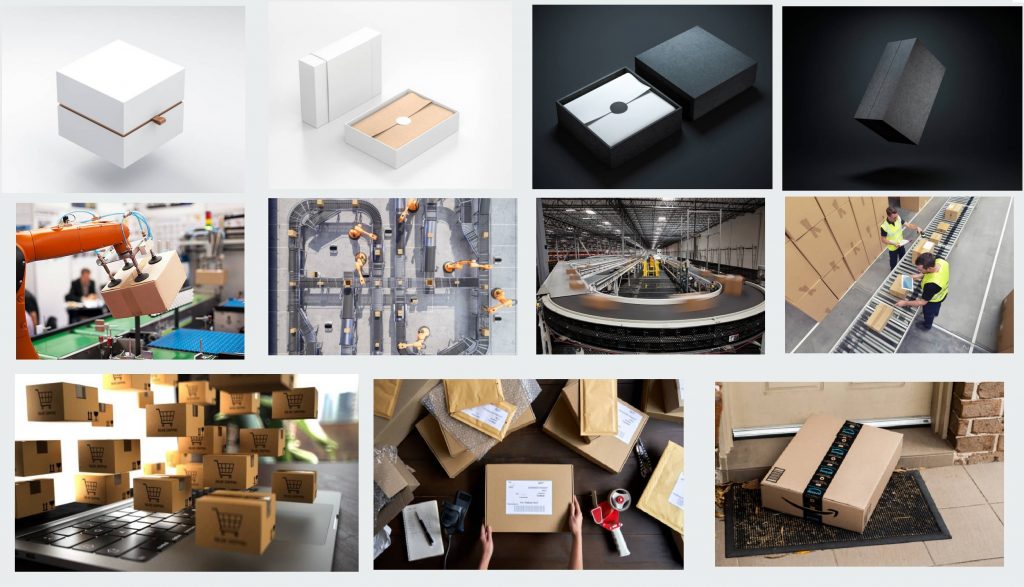
Guide to Home-Compostable Packaging

# Guide to Home-Compostable Packaging

In recent years, the importance of sustainable living has surged, with more consumers seeking eco-friendly alternatives to everyday products. One of the most significant contributors to waste is packaging, especially single-use plastics. Enter home-compostable packaging — a sustainable solution that aligns with the growing movement towards environmental stewardship. This guide delves into everything you need to know about home-compostable packaging, from its benefits to practical tips for making the switch.

## What is Home-Compostable Packaging?

Home-compostable packaging is designed to break down in a backyard composting system, turning into nutrient-rich compost that can nourish plants and soil. Unlike traditional plastic that can linger in the environment for hundreds of years, home-compostable packaging decomposes naturally, reducing waste and promoting sustainability.

### Key Attributes of Home-Compostable Packaging:
1. **Biodegradability**: The material decomposes through natural biological processes.
2. **Non-Toxic**: It leaves no harmful residues that could damage plants or soil.
3. **Efficient Breakdown**: Within a reasonable timeframe of a few months to a couple of years, depending on the material and composting conditions.

## Benefits of Home-Compostable Packaging

### Environmental Advantages:
1. **Reduces Landfill Waste**: Diverts waste from landfills where it would contribute to methane emissions and long-term environmental degradation.
2. **Lower Carbon Footprint**: Often produced from renewable resources, which reduces the carbon footprint compared to fossil-fuel-based plastics.
3. **Enhances Soil Health**: The compost produced can enrich the soil, promoting better plant growth and supporting local ecosystems.

### Consumer and Industry Benefits:
1. **Meets Consumer Demand**: Growing consumer awareness and demand for sustainable products can drive brand loyalty and sales.
2. **Regulatory Compliance**: Aligns with increasing regulations and bans on single-use plastics.
3. **Versatility**: Available in various forms, suitable for different products, from food wrapping to shipping materials.

## Types of Home-Compostable Packaging Materials

There are several materials used to create home-compostable packaging. Here are a few:

1. **PLA (Polylactic Acid)**: Made from fermented plant starch (usually corn), PLA is commonly used for bottles, bags, and food containers.
2. **PHA (Polyhydroxyalkanoates)**: Produced by microbial fermentation of sugar or lipids, PHA is versatile and used in applications ranging from packaging to medical devices.
3. **Cellulose-Based Films**: Derived from plant fibers, these films are used in wrapping and protecting products.
4. **Starch-Based Blends**: Derived from crops like corn or potatoes, these blends are used in packaging peanuts, liners, and containers.

## How to Identify Home-Compostable Packaging

### Certification Labels:
Look for certified labels which indicate that the packaging has been tested and meets compostability standards. Notable certifications include:
– **TÜV Austria OK Compost HOME**: Ensures that the product can fully decompose in a home composter.
– **BPI Certification**: Mostly for industrial composting but some overlap with home compostable standards.
– **Australian Standard AS 5810**: Specific to home compostable packaging certification.

### Material Information:
– Check product descriptions or material lists. Terms like biodegradable, compostable, and plant-based are good indicators, but certification logos are the most reliable.

## How to Compost Home-Compostable Packaging

### Step-by-Step Composting Guide:
1. **Setup Your Compost Bin**: Choose a spot with good drainage and partial sunlight. A bin with a lid helps keep pests out.
2. **Balance Greens and Browns**: Mix nitrogen-rich green materials (food scraps, grass clippings) with carbon-rich brown materials (dry leaves, cardboard).
3. **Add Compostable Packaging**: Tear or shred the packaging to increase the surface area for faster decomposition. Ensure it is evenly mixed with other compost materials.
4. **Maintain Your Pile**: Regularly turn the compost to aerate it and maintain moisture levels — it should be as damp as a wrung-out sponge.
5. **Monitor Progress**: Depending on the material and conditions, the compostable packaging should break down over several months.

## Challenges and Considerations

While home-compostable packaging offers numerous benefits, there are a few challenges to be aware of:

1. **Confusion with Biodegradable**: Not all biodegradable packaging can be composted at home. Understanding certifications and materials is crucial.
2. **Time and Effort**: Composting at home requires time and proper maintenance for the best results.
3. **Space Constraints**: Not everyone has the space or capacity to maintain a home composting system.

## Conclusion

Home-compostable packaging is a promising solution to reduce environmental impact and meet the growing demand for sustainable products. By understanding the materials, benefits, and composting techniques, consumers and businesses alike can make more informed, eco-friendly choices. With collective effort, we can significantly reduce waste and contribute to a healthier planet.

Contact us today for more advice on sustainable packaging options.

Eco-Friendly Solutions: The Rise of Green Packaging

# Eco-Friendly Solutions: The Rise of Green Packaging

## Introduction

The surge in global consumption has escalated concerns over environmental sustainability, leading to an urgent need for eco-friendly solutions. In particular, the packaging industry, which traditionally relies on materials like plastics, has been at the center of this conversation. Consequently, a significant rise in green packaging has been observed, offering an environmentally sustainable alternative that can reduce waste and pollution. This article explores the various aspects of green packaging, including its benefits, types, and future prospects.

## The Environmental Impact of Traditional Packaging

Traditional packaging, primarily composed of materials such as plastics, metals, and non-recyclable paper, has a substantial ecological footprint. Plastics, for instance, are derived from fossil fuels and contribute to greenhouse gas emissions during production. They are notorious for their longevity, taking hundreds to thousands of years to decompose, thus filling landfills and polluting oceans, harming marine life and ecosystems. Metals, while recyclable, require significant energy and resources to process. Non-recyclable paper contributes to deforestation and the degradation of natural habitats. The collective impact of these materials underscores the need for green packaging solutions.

## What is Green Packaging?

Green packaging, also known as sustainable packaging, refers to the use of materials and manufacturing processes that have minimal negative impacts on the environment. This eco-friendly approach embraces several principles: reducing the use of non-renewable resources, minimizing waste, promoting recycling and reuse, and ensuring that packaging is biodegradable or compostable. The ultimate goal is to create a circular economy where materials are continuously repurposed and regenerated.

## Types of Green Packaging

1. **Biodegradable Packaging:**
Biodegradable packaging materials decompose naturally through the action of microorganisms, thus reducing landfill waste. Examples include packaging made from cornstarch, bagasse (a byproduct of sugarcane processing), and other plant-based materials.

2. **Recyclable Packaging:**
This type of green packaging involves materials that can be reprocessed and used to manufacture new products. Common recyclable materials include paper, cardboard, glass, and certain types of plastics like PET (polyethylene terephthalate).

3. **Compostable Packaging:**
Compostable packaging breaks down into natural elements in a compost environment, leaving behind no toxic residues. Materials like PLA (polylactic acid) made from fermented plant starches fall into this category.

4. **Reusable Packaging:**
Emphasizing durability and multiple-use applications, reusable packaging seeks to extend the lifecycle of materials. Examples include glass bottles, metal tins, and cloth bags.

5. **Edible Packaging:**
An innovative and emerging category, edible packaging includes materials that can be safely consumed. It is often used for food and beverage products to reduce additional waste. Alginate, derived from algae, and some forms of rice paper serve as creative solutions in this space.

## Advantages of Green Packaging

1. **Environmental Benefits:**
Green packaging significantly reduces pollution and carbon footprint by using materials that are sustainable and biodegradable. It helps conserve natural resources and supports biodiversity by mitigating deforestation and habitat destruction.

2. **Economic Efficiency:**
While the initial investment in green materials and technologies may be higher, the long-term savings can be substantial. Companies can reduce costs related to waste management and benefit from regulatory incentives and tax breaks for environmentally responsible practices.

3. **Enhanced Brand Image:**
As consumers become more eco-conscious, companies that adopt green packaging can strengthen their brand reputation. Sustainable practices resonate well with consumers, potentially leading to increased customer loyalty and market share.

4. **Regulatory Compliance:**
Governments worldwide are increasingly implementing stringent regulations on packaging materials and waste management. Adopting green packaging ensures compliance and reduces the risk of legal penalties.

5. **Innovation and Market Differentiation:**
Embracing green packaging fosters innovation and can set a company apart from its competitors. Unique and sustainable packaging solutions can attract attention and create new market opportunities.

## Challenges and Considerations

Despite its numerous advantages, green packaging is not without challenges. The development and adoption of eco-friendly materials often require significant research and development, which can be costly and time-consuming. Moreover, the performance of some green materials may not yet match that of traditional materials in terms of durability and protective qualities. There is also the need to establish robust recycling and composting infrastructures to manage these sustainable materials effectively.

## Future Outlook

The future of green packaging looks promising, driven by continuous advancements in material science and growing environmental awareness. Innovations such as nanotechnology in biodegradable materials, improved recycling technologies, and increasing integration of renewable energy in manufacturing processes are paving the way for a more sustainable packaging industry. Furthermore, collaboration among stakeholders—manufacturers, consumers, policymakers, and environmentalists—is crucial for accelerating the transition towards a circular economy.

## Conclusion

Green packaging is a pivotal component of the global movement towards sustainability. Its rise signifies a conscious shift from the traditionally harmful practices of the packaging industry to an era where environmental considerations are paramount. By embracing eco-friendly packaging solutions, we can significantly reduce our environmental footprint, conserve resources, and foster a healthier planet for future generations. Through persistent innovation and collective effort, the dream of a sustainable world can become a reality.

PAKELING

The Benefits of Pulp Packaging: A Sustainable Choice

# The Benefits of Pulp Packaging: A Sustainable Choice

In an era dominated by environmental concerns and the urgent need to transition to sustainable practices, packaging materials have come under intense scrutiny. Single-use plastics, with their environmental persistence and detrimental impacts on ecosystems, have driven industries to seek eco-friendly alternatives. Among the emerging solutions, pulp packaging stands out as a compelling choice, with a plethora of benefits that extend beyond mere environmental friendliness. This article delves into the multifaceted advantages of pulp packaging, highlighting why it is a sustainable choice for businesses and consumers alike.

## What is Pulp Packaging?

Pulp packaging is derived from fibrous materials, most commonly sourced from recycled paper, cardboard, and other plant fibers. Through a process of pulping, these fibers are mixed with water to create a slurry, which is then molded into different shapes and forms to produce various types of packaging. This process is highly adaptable, enabling the creation of diverse packaging solutions such as trays, clamshells, cartons, and cushioning inserts.

## Environmental Benefits

### 1. **Recyclability and Compostability**

One of the key advantages of pulp packaging is its recyclability. Unlike plastic packaging, which often ends up in landfills or polluting natural habitats, pulp packaging can be easily recycled into new products. Moreover, many forms of pulp packaging are compostable, breaking down naturally without leaving harmful residues. This makes it an ideal choice for companies striving to achieve a circular economy.

### 2. **Reduction in Carbon Footprint**

The production of pulp packaging generally requires less energy compared to the manufacturing of plastic. Since much of pulp packaging is made from recycled materials, it also helps cut down on the raw materials needed, thereby conserving natural resources and reducing greenhouse gas emissions. Furthermore, as pulp packaging is often lighter than its plastic counterparts, transportation emissions are also reduced.

### 3. **Decreased Pollution**

The use of pulp packaging contributes to a reduction in pollution levels. The traditional plastic production process is notorious for releasing toxic chemicals into the air and water. In contrast, the manufacturing and decomposition of pulp packaging generate far fewer pollutants, safeguarding human health and protecting biodiversity.

## Economic and Practical Benefits

### 1. **Cost-Effectiveness**

While the initial costs of setting up pulp packaging systems can be higher, the long-term benefits often lead to cost savings. Recycled materials are frequently cheaper than virgin plastics, and the reduction in waste disposal fees can also contribute to the overall cost-efficiency.

### 2. **Versatility and Customization**

Pulp packaging can be easily customized to meet specific needs. Whether businesses require unique shapes, sizes, or structural strengths, the malleability of pulp materials allows for high levels of customization. This versatility makes pulp packaging suitable for a wide range of industries, including food and beverage, electronics, cosmetics, and more.

### 3. **Protection and Durability**

Despite its focus on sustainability, pulp packaging does not compromise on protection. It offers excellent cushioning and shock-absorption qualities, which are crucial for protecting delicate items during transportation and storage. Its durability ensures that products remain intact, thereby reducing the likelihood of returns and associated costs.

## Consumer Appeal

### 1. **Eco-Friendly Marketing**

Consumers today are more environmentally conscious than ever. By adopting pulp packaging, companies can align themselves with the values of sustainability, enhancing their brand image and appealing to eco-minded customers. This can serve as a powerful marketing tool, attracting a loyal customer base that prioritizes sustainability.

### 2. **Ease of Disposal**

One of the major pain points for consumers is the disposal process of packaging. Pulp packaging, being both recyclable and compostable, simplifies this process significantly. Consumers can discard it with ease, knowing that it will either be recycled into new products or biodegrade harmlessly.

### 3. **Health and Safety**

Pulp packaging is generally free from toxic chemicals, unlike some plastics that can leach harmful substances into food and other products. This ensures that consumers are not exposed to potential health risks, making pulp packaging a safer option for a variety of applications.

## Challenges and Considerations

While the benefits of pulp packaging are extensive, there are some challenges to consider. The sourcing of raw materials must be managed sustainably to avoid deforestation and depletion of resources. Additionally, the production process must be optimized to balance energy use and minimize water consumption. However, ongoing innovations and technological advancements are steadily addressing these challenges, making pulp packaging an increasingly viable option.

## Conclusion

Pulp packaging offers a plethora of benefits that make it a sustainable choice for both businesses and consumers. Its environmental advantages, economic viability, and consumer appeal position it as a leading alternative to traditional packaging materials. As our global community continues to tackle environmental challenges and strives towards sustainability, pulp packaging provides a promising solution that aligns with these goals. By embracing pulp packaging, industries can contribute significantly to a more sustainable future, demonstrating that eco-friendly choices are both practical and beneficial.

PAKELING.COM

Eco-Friendly Solutions: The Rise of Sustainable Packaging

# Eco-Friendly Solutions: The Rise of Sustainable Packaging

In today’s rapidly evolving world, the intersection of consumerism and environmental stewardship demands immediate action. One area under significant scrutiny and development is packaging. Traditional packaging, predominantly made from plastics, glass, and metals, often contributes significantly to environmental degradation. As a result, the spotlight has shifted towards sustainable packaging solutions. This article delves into the rise of eco-friendly packaging, exploring its benefits, challenges, and the innovations leading the movement.

## The Need for Sustainable Packaging

### Environmental Impact of Traditional Packaging
Traditional packaging materials, particularly plastics, have posed several environmental threats:
– **Pollution:** A staggering amount of plastic waste ends up in oceans, causing harm to marine life and ecosystems.
– **Resource Depletion:** Manufacturing conventional packaging often requires non-renewable resources like petroleum.
– **Carbon Footprint:** The production, transportation, and disposal of traditional packaging materials contribute significantly to greenhouse gas emissions.

### Consumer Awareness and Demand
With growing awareness about environmental issues, consumers are increasingly demanding eco-friendly alternatives. According to a Nielsen report, nearly half of global consumers are willing to pay more for products that have minimal environmental impact. This consumer preference is pushing companies to adopt sustainable packaging practices.

## Innovations in Sustainable Packaging

### Biodegradable and Compostable Packaging
Biodegradable and compostable packaging has gained immense popularity as an environmentally friendly alternative. These materials break down naturally into non-toxic components under specific conditions, reducing landfill waste.

– **PLA (Polylactic Acid):** Derived from corn starch or sugarcane, PLA is a biodegradable polymer used in various packaging applications. It offers similar properties to traditional plastics without the environmental burden.
– **Bagasse:** Made from sugarcane pulp, bagasse is an excellent replacement for plastic and Styrofoam in food packaging. It is sturdy, compostable, and a by-product of the sugar industry, ensuring minimal waste.

### Recycled and Recyclable Materials
Using recycled materials in packaging is another sustainable approach. This not only reduces the demand for virgin resources but also diverts waste from landfills.

– **Recycled Paper and Cardboard:** Widely used in packaging, these materials are energy-efficient to produce and can be recycled multiple times.
– **Recycled Plastics:** Although not biodegradable, recycled plastics reduce the need for new plastic production and help in managing plastic waste.

### Edible Packaging
While still in its nascent stages, edible packaging presents a novel solution to waste reduction. Made from food-grade materials, edible packaging can be consumed along with the product, leaving no waste behind. Innovations such as seaweed-based wrappers and edible cutlery showcase the potential of this technology.

### Minimalist Packaging
Minimalist packaging focuses on reducing the amount of material used. By designing packaging that uses fewer resources, companies can decrease their environmental impact. This approach often involves:
– Reusable containers
– Concentrated products that require less packaging (e.g., detergent pods)
– Simplified designs that eliminate unnecessary components

## Challenges and Considerations

### Cost Implications
One of the primary challenges in adopting sustainable packaging is the cost. Eco-friendly materials and processes can be more expensive than their traditional counterparts. This expense may be passed on to consumers, which can affect market competitiveness. However, as technology advances and economies of scale are realized, these costs are expected to decrease.

### Regulatory Compliance
Governments worldwide are implementing regulations to manage packaging waste. Companies must navigate these diverse regulatory landscapes, which can be complex and costly. Staying compliant requires continuous monitoring and adaptation.

### Performance and Durability
Sustainable packaging must meet the same performance criteria as traditional packaging, including durability, shelf-life, and protection. Some eco-friendly materials may fall short in these areas, necessitating further innovation and testing.

## The Future of Sustainable Packaging

The move towards sustainable packaging is both a challenge and an opportunity. Companies that adopt eco-friendly practices not only contribute to environmental conservation but also enhance their brand image and meet consumer demand. The future of packaging lies in continuous innovation, collaboration across industries, and a commitment to sustainability.

As research progresses and technology advances, we can expect even more groundbreaking solutions that balance ecological impact with business needs. The rise of sustainable packaging is more than a trend; it is a crucial step towards a more sustainable and responsible future.

Contact us for a free review on current packaging needs

Go Green with Home-Compostable Packaging

# Go Green with Home-Compostable Packaging

## Introduction

As the world grapples with the escalating environmental crisis, sustainable solutions are gaining attention across industries. One of the most promising advancements in this realm is home-compostable packaging. Unlike conventional single-use plastics that can take hundreds of years to break down, home-compostable packaging offers an eco-friendly alternative that integrates seamlessly into natural waste cycles.

## What is Home-Compostable Packaging?

Home-compostable packaging refers to materials specifically designed to break down completely and safely in a home compost environment. This differs from industrial compostable packaging, which requires high temperatures and specific conditions to degrade. Home-compostable packaging can decompose in a backyard compost bin within a matter of months, leaving no toxic residue or microplastics behind.

### Key Characteristics

1. **Biodegradability**: The material will naturally decompose into organic matter.
2. **Non-toxic**: It doesn’t leave any harmful chemicals or residues.
3. **Decomposition Timeframe**: Typically breaks down in less than a year under home composting conditions.
4. **Product Integrity**: Maintains durability and functionality comparable to conventional packaging materials.

## The Environmental Benefits

### Reducing Plastic Pollution

The prevalence of plastic pollution is one of the critical environmental challenges we face today. With millions of tons of plastic entering our oceans annually, marine life, ecosystems, and even human health are at risk. Home-compostable packaging helps curb this issue by providing a sustainable option that doesn’t linger in the environment.

### Promoting Circular Economy

Home-compostable packaging contributes to a circular economy – a system where waste is minimized, and materials are kept in use for as long as possible. By decomposing into nutrient-rich compost, this packaging turns into valuable soil that can be used to enrich gardens and farms, thus completing a full lifecycle from production to degradation.

### Reducing Carbon Footprint

The production of compostable materials often has a lower carbon footprint compared to conventional plastics. Materials like cornstarch, sugar cane, and potato starch are renewable resources that absorb CO2 during growth. When these materials break down, they release CO2, but the net impact remains much lower than that of fossil-fuel-based plastics.

## Types of Home-Compostable Packaging

### 1. **Bioplastic Films**
These films are made from natural polymers and can be used for wrapping fresh produce or as a lightweight protective layer for various products. They break down quickly in home compost conditions.

### 2. **Paper-based Packaging**
Made from sustainably sourced paper, this packaging can be enhanced with a thin bio-coating to make it water-resistant and durable. Once used, it can be composted along with other organic waste.

### 3. **Molded Fiber Packaging**
This type of packaging is often used for protective cushioning in shipping and comes from recycled paper and cardboard. It is robust yet easily compostable.

### 4. **Starch-based Packaging**
Derived from crops like corn and potatoes, starch-based packaging is flexible and versatile, suitable for both food and non-food items. It decomposes rapidly in composting conditions.

## Challenges and Considerations

### Cost
One of the main hurdles in adopting home-compostable packaging is the cost. It’s generally more expensive to produce compared to traditional plastics. However, as technology advances and demand increases, prices are expected to become more competitive.

### Consumer Awareness and Behavior
For home-compostable packaging to be effective, consumers must be aware of proper composting practices. Mismanagement or incorrect disposal can impede the breakdown process or negate the environmental benefits.

### Certification and Standards
The market is currently flooded with claims of compostability, making it crucial to have recognized certifications ensuring that a product truly is home-compostable. Certifications like TUV Austria’s OK Compost Home or the ABA Home Composting mark are crucial indicators.

## Success Stories

### Brands Pioneering the Shift

Several forward-thinking companies and brands are leading the charge in adopting home-compostable packaging:

1. **Tideford Organics**: This food company has introduced fully compostable soup pots and lids.
2. **Notpla**: Developers of innovative seaweed-based packaging, which is entirely compostable and even edible.
3. **PepsiCo**: The beverage giant is testing compostable packaging for its snack brands as part of its sustainable packaging initiative.

### Community Initiatives

Local communities are also embracing home-compostable packaging. Farmers’ markets, organic grocery stores, and eco-conscious cafes are increasingly opting for compostable alternatives to minimize their environmental impact.

## Conclusion

As we face unprecedented environmental challenges, it is imperative to adopt sustainable practices that reduce our impact on the planet. Home-compostable packaging offers a viable solution, aligning with natural processes and promoting a healthier ecosystem. By embracing these eco-friendly alternatives, both consumers and businesses can play a crucial role in the global movement towards sustainability. So, let’s go green with home-compostable packaging and pave the way for a cleaner, greener future.

Contact us for a free review on current packaging needs

Eco-Friendly Packaging: The Benefits of PaperFoam

PaperFoam is a great option if you’re looking for eco-friendly packaging. It’s made from renewable resources like starch, natural fibers, and water, and it has a number of benefits over traditional packaging materials:

  • Biodegradable and compostable: PaperFoam breaks down naturally in a matter of weeks, leaving behind no harmful residues. This makes it a great choice for reducing landfill waste. You can even compost it at home!
  • Recyclable: If composting isn’t an option, PaperFoam can also be recycled along with paper products.
  • Low carbon footprint: PaperFoam is produced using renewable resources and energy-efficient processes, which means it has a significantly lower carbon footprint than traditional packaging materials like plastic.
  • Lightweight: PaperFoam is lighter than traditional packaging materials, which can help to reduce transportation emissions.
  • Protective: PaperFoam can be molded to create custom shapes that provide excellent protection for your products.
  • Versatility: PaperFoam can be dyed and molded into a variety of shapes and designs, making it a good choice for a variety of products.

Overall, PaperFoam is a sustainable and versatile packaging option that can help businesses reduce their environmental impact.

Contact us today for free packaging design. Contact here

Eco-Friendly Innovations: Fiber-Based Packaging Materials

# Eco-Friendly Innovations: Fiber-Based Packaging Materials

In recent years, the global awareness of environmental issues has stimulated a significant push towards sustainable practices in numerous industries. Among these industries, packaging stands out due to its substantial contribution to plastic pollution and waste generation. In response to this, fiber-based packaging materials have emerged as a pivotal innovation, offering a more sustainable alternative to conventional packaging materials. This article explores the exciting advancements and potential of fiber-based packaging.

## The Environmental Impact of Traditional Packaging

Traditional packaging materials, predominantly plastics, have long been a topic of environmental concern. The production and disposal of plastic packaging contribute significantly to pollution, as plastic lacks biodegradability and persists in the environment for centuries. Marine life, ecosystems, and even human health are adversely affected by the widespread presence of microplastics. Consequently, there is an urgent need for alternative packaging solutions that minimize environmental impact.

## What is Fiber-Based Packaging?

Fiber-based packaging materials are derived from natural fibers, such as wood pulp, agricultural residues, and recycled paper. These materials are processed to create packaging products that are biodegradable, compostable, and often recyclable. Common examples include cardboard boxes, paper bags, molded pulp packaging, and other forms of paper-based containers.

## Innovations in Fiber-Based Packaging

1. **Molded Pulp Packaging:**
Molded pulp packaging is made from recycled paper or natural fibers and is used to create protective packaging components such as trays, clamshells, and cushioning for fragile items. Advances in this technology have led to the development of high-precision molds that offer improved strength and versatility, enabling molded pulp packaging to replace foam and plastic alternatives.

2. **Cellulose-Based Films:**
Traditionally used for wrapping snacks and perishable items, plastic films are now being replaced by cellulose-based films. Made from renewable resources like wood pulp, these films provide similar barriers against moisture and oxygen while being fully compostable. Innovations in coating technologies have enhanced their performance, expanding their suitability for various types of products.

3. **Agro-Waste Packaging:**
Agricultural residues such as straw, husks, and bagasse (sugarcane fiber) are increasingly being repurposed into packaging materials. These fiber sources are abundant and often considered waste in agricultural processes. By transforming them into packaging, it not only reduces waste but also capitalizes on a readily available raw material. This approach introduces new revenue streams for farmers and contributes to a circular economy.

4. **Nanocellulose:**
Nanocellulose is an exciting advancement in fiber-based packaging. Derived from wood, plant fibers, or other cellulose-rich materials, nanocellulose exhibits excellent mechanical properties and barrier capabilities. It can be used to enhance the strength of paper-based materials, making them viable for carrying heavier loads and extending their usability.

## Advantages of Fiber-Based Packaging

1. **Environmental Benefits:**
Fiber-based packaging materials are known for their minimal environmental footprint. They decompose more quickly than plastics, reducing the longevity of waste in landfills. Their biodegradability and compostability make them environmentally friendly alternatives.

2. **Resource Efficiency:**
These packaging solutions predominantly use renewable resources. The production processes for fiber-based materials often require less energy compared to plastic manufacturing, leading to reductions in carbon emissions.

3. **Safety and Health:**
Fiber-based packaging is typically free from harmful chemicals and toxins, making it safer for consumers and better suited for packaging food products.

4. **Consumer Appeal:**
Increasing consumer awareness about environmental issues has led to greater demand for sustainable packaging. Brands adopting fiber-based packaging can appeal to eco-conscious consumers and enhance their market position by promoting their environmental responsibility.

## Challenges and Future Prospects

Despite the numerous advantages, fiber-based packaging also faces challenges. One of the primary obstacles is the need for improved water resistance and barrier properties to match those of plastics fully. However, ongoing research and development are continually addressing these issues.

Implementing fiber-based packaging also requires adjustments in supply chains and manufacturing processes, which can be a substantial investment. However, as technology advances and economies of scale are realized, these costs are expected to decrease.

## Conclusion

Fiber-based packaging materials represent a promising and innovative step toward reducing the environmental impact of the packaging industry. Through advancements in technology and increased adoption, these materials can significantly contribute to sustainable packaging solutions. As society continues to prioritize environmental stewardship, fiber-based packaging stands at the forefront of eco-friendly innovations, paving the way for a greener future.

Contact us for a free review on current packaging needs

The Future of Sustainable Packaging

# The Future of Sustainable Packaging: Emerging Trends for 2024

In recent years, the call for sustainability has echoed louder than ever across various industries, with packaging taking the forefront in this transformative wave. As we approach 2024, new trends in sustainable packaging are poised to revolutionize the market, driven by innovative technologies, heightened consumer awareness, and stringent regulatory requirements. This article delves into the most promising sustainable packaging trends that are expected to dominate in 2024.

## 1. Biodegradable and Compostable Materials

### The Shift from Traditional Plastics

Traditional plastics have long been scrutinized for their environmental footprint. In response, companies are increasingly turning to biodegradable and compostable materials. These materials decompose naturally, reducing the long-term impact on landfills and oceans. The adoption of plant-based plastics, made from renewable resources like corn starch and sugarcane, is expected to surge, offering a viable alternative to petroleum-based plastics.

### Innovations in Biodegradable Solutions

Advancements in material science are leading to the development of new biodegradable options such as PHA (polyhydroxyalkanoate) and PLA (polylactic acid) that not only decompose more efficiently but also maintain the durability and versatility needed for packaging. The market for biodegradable packaging is projected to grow significantly, driven by both consumer demand and regulatory pressures.

## 2. Edible Packaging

### Turning Packaging into Consumable Products

Edible packaging is an exciting frontier in sustainability. Made from natural ingredients like seaweed, rice, or potatoes, edible packaging reduces waste by turning the package itself into a consumable product. While still in its nascent stage, 2024 is likely to see increased experimentation and adoption of edible packaging, particularly in the food and beverage sector.

### Potential Applications and Challenges

The primary advantage of edible packaging is its zero-waste nature. However, its implementation is challenged by factors such as shelf life, stability, and consumer acceptance. Companies are investing in research to overcome these hurdles, exploring blends of various natural materials to enhance performance.

## 3. Reusable and Returnable Packaging

### The Rise of Circular Economy Models

The circular economy model is gaining traction as businesses strive to minimize waste through reuse and recycling. Reusable and returnable packaging systems are being adopted across various sectors, from retail to logistics. These systems encourage consumers to return packaging for reuse, reducing the need for single-use materials.

### Technology-Driven Innovations

Smart packaging technologies, including RFID tags and blockchain, are being integrated into reusable and returnable packaging systems. These innovations enhance traceability and ensure the efficient management of packaging lifecycles. In 2024, we can expect to see more businesses investing in these technologies to streamline their sustainable packaging initiatives.

## 4. Minimalist and Eco-Friendly Design

### Less is More Approach

Minimalist packaging design focuses on reducing material usage without compromising functionality. This trend emphasizes simplicity, using fewer resources and prioritizing recycled and recyclable materials. Brands are increasingly adopting minimalist designs to align with their sustainability goals and appeal to environmentally conscious consumers.

### Benefits to Consumers and the Environment

Eco-friendly design not only reduces environmental impact but also often results in cost savings for businesses. Consumers are increasingly drawn to products that reflect their values, driving the demand for packaging that is both aesthetically pleasing and sustainable.

## 5. Advanced Recycling Technologies

### Enhancing Recycling Efficiency

Recycling remains a cornerstone of sustainable packaging. Advanced recycling technologies, such as chemical recycling, are emerging to tackle the limitations of traditional recycling methods. These technologies break down plastics at a molecular level, allowing them to be reused indefinitely without degrading quality.

### Government Policies and Industry Collaboration

Government policies and industry collaborations are critical in driving the advancement and adoption of recycling technologies. In 2024, we anticipate increased investment in infrastructure to support these technologies, backed by regulatory frameworks that incentivize recycling initiatives.

## 6. Water-Soluble Packaging

### Innovations in Soluble Films

Water-soluble packaging presents an innovative solution for reducing waste, particularly in the packaging of single-use products like detergent pods and medical supplies. Made from materials such as polyvinyl alcohol (PVA), these packages dissolve in water, leaving no trace.

### Environmental and Economic Impact

The adoption of water-soluble packaging is expected to grow as industries seek ways to eliminate plastic waste. This trend not only addresses environmental concerns but also offers economic benefits by reducing the need for landfill space and waste management resources.

## Conclusion

As we look ahead to 2024, the landscape of sustainable packaging is set to evolve rapidly with the adoption of biodegradable materials, edible solutions, reusable systems, minimalist designs, advanced recycling technologies, and water-soluble options. The convergence of innovation, consumer demand, and regulatory pressures will drive this transformation, paving the way for a greener, more sustainable future in packaging. Companies that embrace these trends will not only reduce their environmental footprint but also gain a competitive edge in an increasingly eco-conscious market.

PAKELING

Packaging trends for 2023, Sustainable Packaging, and more.

Some of the major trends to watch out for in 2023 are the continuing increasing demand for sustainable packaging, unique packaging experiences, personalized packaging solutionssmart e-commerce packagingand integration of smart packaging technologies.

An example of smart packaging solutions are QR codes in packaging codes and other methods of interacting with packaging are likely to grow in popularity during this year

Logistics and storage for items can be a unique benefit for certain products and companies. As technology continues to evolve, we can expect to see more brands adopting interactive packaging as well in 2023.

Producing close to where the packages are packed in the boxes is also an important issue as it is a key point for lowering the packaging carbon footprint.

INNOVATION: PACKAGING MADE FROM 100% AGRICULTURAL WASTE

Many billions of tons of agricultural residue, or agricultural waste, remain from the production of food worldwide.

At PAKELING.COM we have found a way to make packaging out of cardboard and papers made from agricultural waste.

Brown cardboard is from 100% agricultural waste.
White cardboard is from 85% agricultural waste.

Cardboard provides HIGH QUALITY, good touch and feel, and great printing qualities.

Consumers are demanding it, sustainable packaging!

Consumers are demanding sustainable packaging. Change has come and producers and brands now know it and expected requirement.

This is why at Pakeling.com we strive to find the best process, material and solutions that delivery for you and for the planet.

Responsible sourcing.
Local production.

BRC Global Standard for Packaging. What is it?

BRC Global Standard for Packaging is the first Packaging Standard in the world to be recognized by (GSFI), the Global Food Safety committee. 3,500+ suppliers around the world in over 80 countries have chosen to be certificated.

The BRC standard is used as a basis of assurance both in primary and secondary packaging, certifying materials and manufacturing in areas as food to consumer packaging.

This helps you adopt good manufacturing practices and quality systems for safe, legal packaging materials that meet the quality levels expected the consumers.

This is an example of the logo.


Sustainability is important for us and for the planet, that’s why we care.

Protecting the climate and the reduction of greenhouse gases are urgent issues for our society. One key to meeting these challenges successfully is the efficient and sustainable materials. And this means that responsible packaging sourcing is important decision making process to get the goals of bringing out solutions that are consistent with this objective. That’s is why we at Pakeling.com make sure to use the perfect combination of material that are all sustainable and from reliable sources.