A Shoebox with Purpose – Made in Spain

In Spain, where craftsmanship meets tradition, we’ve started something new — producing shoeboxes that do more than just protect what’s inside. They tell a story of sustainability, local manufacturing, and responsibility.

Shoes have always been a symbol of movement — of taking the next step. So we asked ourselves: what if the box that carries them forward could do the same?

That’s why we decided to manufacture our shoeboxes locally, right here in Spain, where many of Europe’s leading footwear makers are based. Producing close to our customers means shorter transport routes, lower emissions, and a faster, more efficient supply chain. It’s better for the planet — and better for the people behind every product.

We use recyclable folding carton and corrugated board, materials that come from responsibly managed forests. Every box is printed with water-based inks, free from harmful chemicals, making the entire product safe to recycle and kind to the environment.

But beyond materials and processes, it’s about mindset.

It’s about rethinking packaging — not as waste, but as part of a circular system. A box that protects shoes today and becomes part of something new tomorrow.

At our Spanish factory, sustainability isn’t a trend — it’s our way of working. From design to delivery, we’re helping brands take the next step toward a cleaner, smarter packaging future.

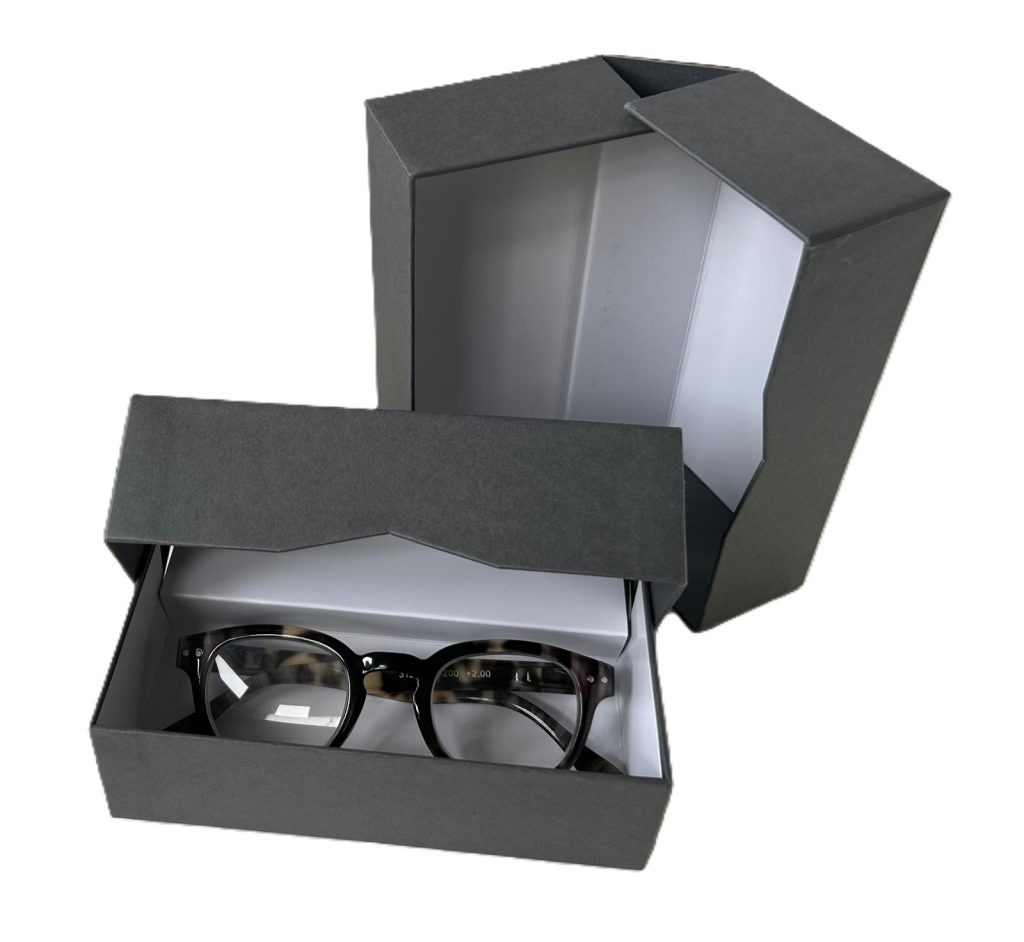
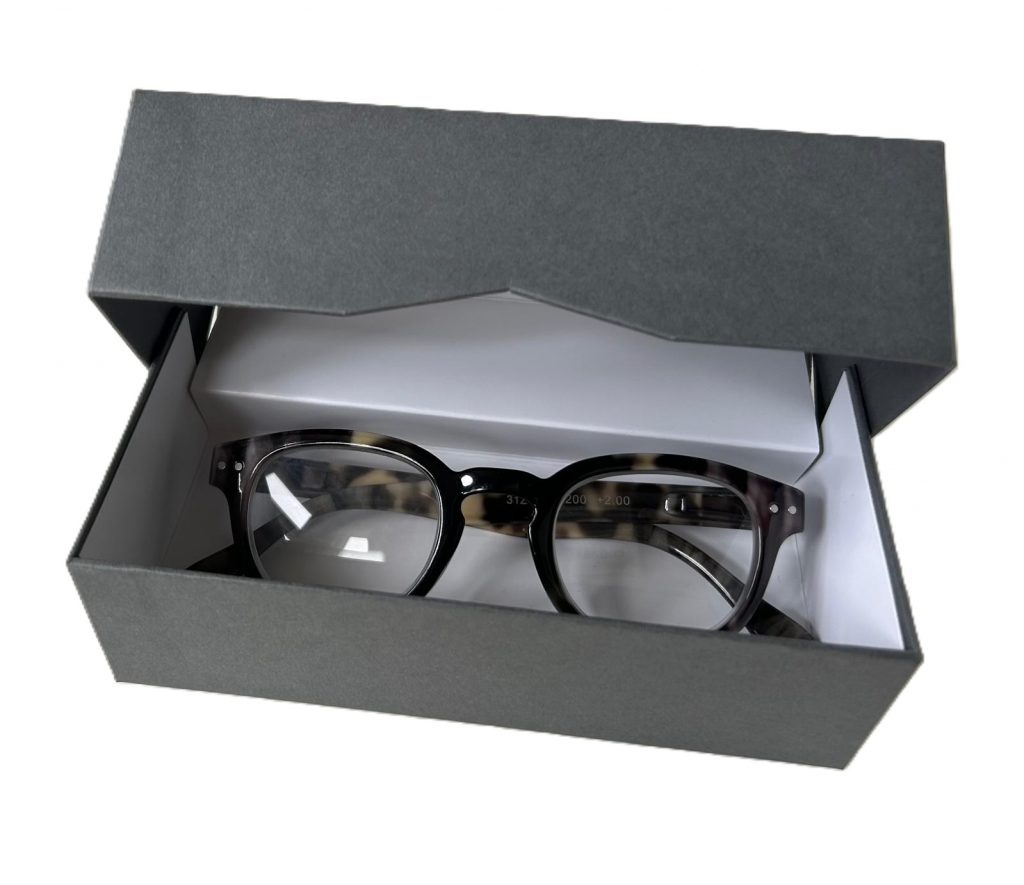
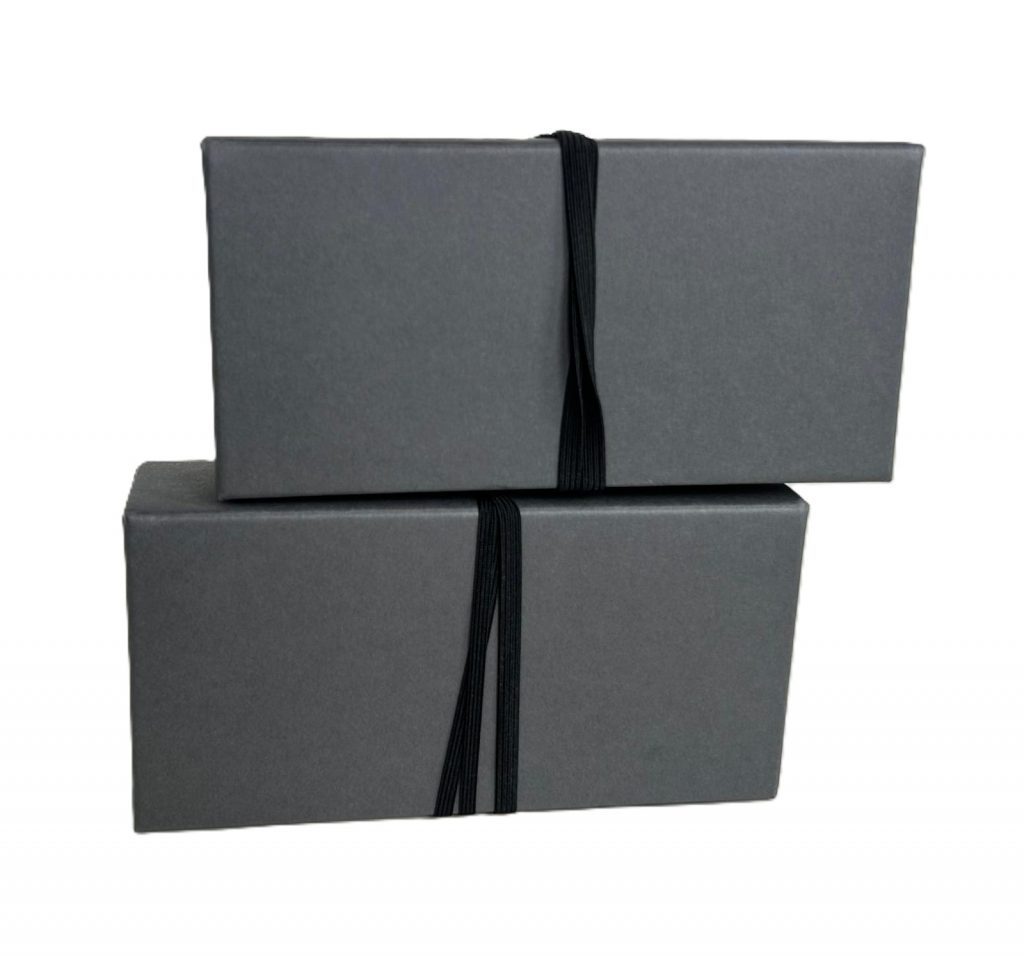
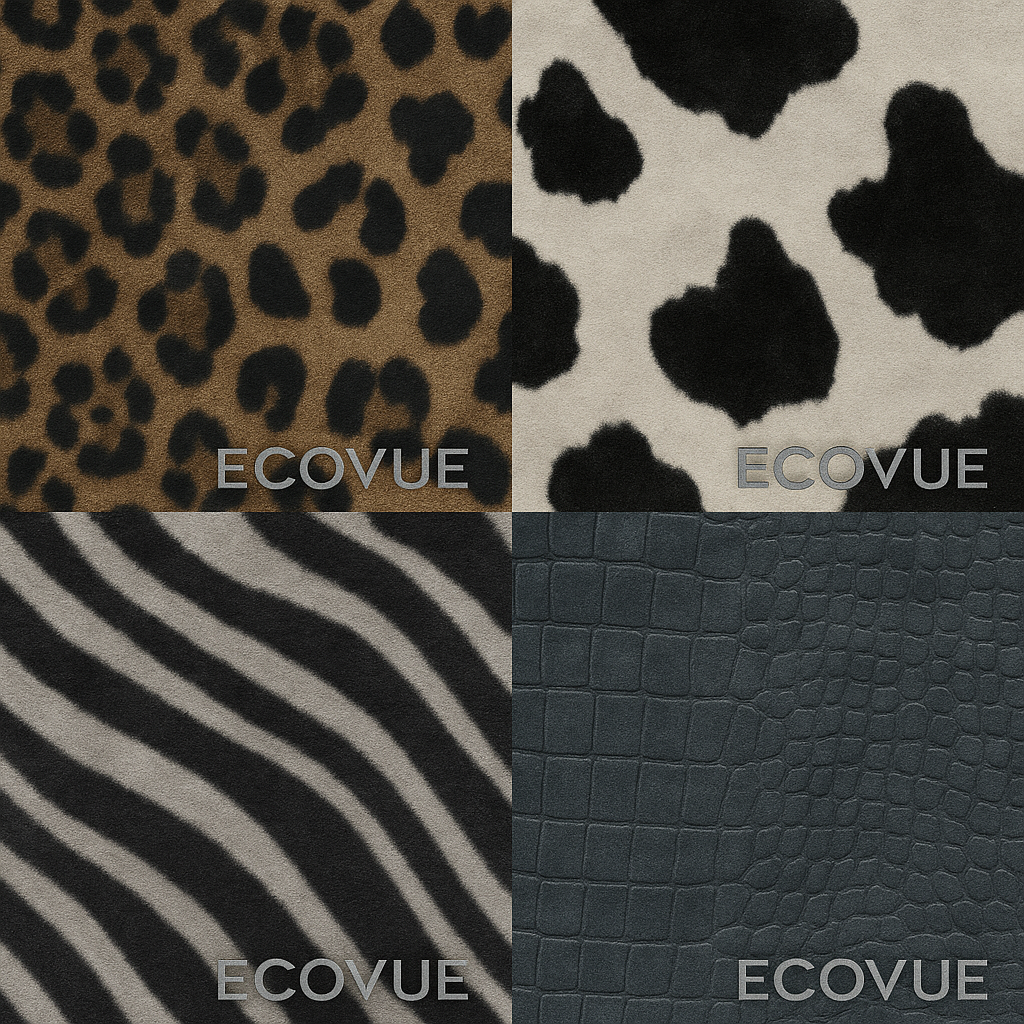
*New EcoVue Eyewear Boxes, PAKELING introduces EcoVue – The Smart Eyewear Case Fully recyclable with paper. Made entirely in Europe. Keep it for for always or place it in the paper recycling bin.

🌿

At PAKELING.com, we believe packaging should protect more than just products — it should protect the planet too.

Meet EcoVue, the new generation of eyewear packaging, designed to elevate the eyewear experience while minimizing environmental impact.

Every detail has been carefully crafted in Europe — from the sleek outer box to the velvety inner protection made from eucalyptus fibers. It’s soft on lenses, printable, and 100% recyclable with paper waste.

With EcoVue, you can deliver elegance, functionality, and sustainability — all in one smart, affordable solution.

♻️ A smart choice for modern brands and conscious consumers who value sustainability, simplicity, and style.

Ready to make the switch?
👉 www.pakeling.com

Eco-Friendly Innovations: Fiber-Based Packaging Materials

# Eco-Friendly Innovations: Fiber-Based Packaging Materials

In recent years, the global awareness of environmental issues has stimulated a significant push towards sustainable practices in numerous industries. Among these industries, packaging stands out due to its substantial contribution to plastic pollution and waste generation. In response to this, fiber-based packaging materials have emerged as a pivotal innovation, offering a more sustainable alternative to conventional packaging materials. This article explores the exciting advancements and potential of fiber-based packaging.

## The Environmental Impact of Traditional Packaging

Traditional packaging materials, predominantly plastics, have long been a topic of environmental concern. The production and disposal of plastic packaging contribute significantly to pollution, as plastic lacks biodegradability and persists in the environment for centuries. Marine life, ecosystems, and even human health are adversely affected by the widespread presence of microplastics. Consequently, there is an urgent need for alternative packaging solutions that minimize environmental impact.

## What is Fiber-Based Packaging?

Fiber-based packaging materials are derived from natural fibers, such as wood pulp, agricultural residues, and recycled paper. These materials are processed to create packaging products that are biodegradable, compostable, and often recyclable. Common examples include cardboard boxes, paper bags, molded pulp packaging, and other forms of paper-based containers.

## Innovations in Fiber-Based Packaging

1. **Molded Pulp Packaging:**
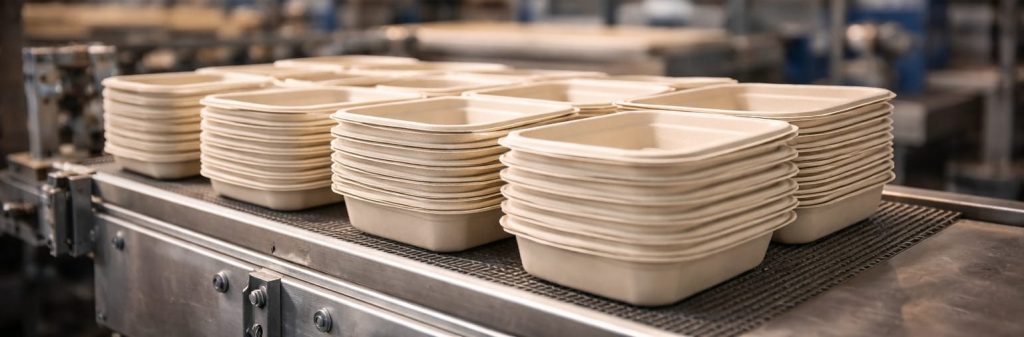
Molded pulp packaging is made from recycled paper or natural fibers and is used to create protective packaging components such as trays, clamshells, and cushioning for fragile items. Advances in this technology have led to the development of high-precision molds that offer improved strength and versatility, enabling molded pulp packaging to replace foam and plastic alternatives.

2. **Cellulose-Based Films:**
Traditionally used for wrapping snacks and perishable items, plastic films are now being replaced by cellulose-based films. Made from renewable resources like wood pulp, these films provide similar barriers against moisture and oxygen while being fully compostable. Innovations in coating technologies have enhanced their performance, expanding their suitability for various types of products.

3. **Agro-Waste Packaging:**
Agricultural residues such as straw, husks, and bagasse (sugarcane fiber) are increasingly being repurposed into packaging materials. These fiber sources are abundant and often considered waste in agricultural processes. By transforming them into packaging, it not only reduces waste but also capitalizes on a readily available raw material. This approach introduces new revenue streams for farmers and contributes to a circular economy.

4. **Nanocellulose:**
Nanocellulose is an exciting advancement in fiber-based packaging. Derived from wood, plant fibers, or other cellulose-rich materials, nanocellulose exhibits excellent mechanical properties and barrier capabilities. It can be used to enhance the strength of paper-based materials, making them viable for carrying heavier loads and extending their usability.

## Advantages of Fiber-Based Packaging

1. **Environmental Benefits:**
Fiber-based packaging materials are known for their minimal environmental footprint. They decompose more quickly than plastics, reducing the longevity of waste in landfills. Their biodegradability and compostability make them environmentally friendly alternatives.

2. **Resource Efficiency:**
These packaging solutions predominantly use renewable resources. The production processes for fiber-based materials often require less energy compared to plastic manufacturing, leading to reductions in carbon emissions.

3. **Safety and Health:**
Fiber-based packaging is typically free from harmful chemicals and toxins, making it safer for consumers and better suited for packaging food products.

4. **Consumer Appeal:**
Increasing consumer awareness about environmental issues has led to greater demand for sustainable packaging. Brands adopting fiber-based packaging can appeal to eco-conscious consumers and enhance their market position by promoting their environmental responsibility.

## Challenges and Future Prospects

Despite the numerous advantages, fiber-based packaging also faces challenges. One of the primary obstacles is the need for improved water resistance and barrier properties to match those of plastics fully. However, ongoing research and development are continually addressing these issues.

Implementing fiber-based packaging also requires adjustments in supply chains and manufacturing processes, which can be a substantial investment. However, as technology advances and economies of scale are realized, these costs are expected to decrease.

## Conclusion

Fiber-based packaging materials represent a promising and innovative step toward reducing the environmental impact of the packaging industry. Through advancements in technology and increased adoption, these materials can significantly contribute to sustainable packaging solutions. As society continues to prioritize environmental stewardship, fiber-based packaging stands at the forefront of eco-friendly innovations, paving the way for a greener future.

Contact us for a free review on current packaging needs

Packaging trends for 2023, Sustainable Packaging, and more.

Some of the major trends to watch out for in 2023 are the continuing increasing demand for sustainable packaging, unique packaging experiences, personalized packaging solutionssmart e-commerce packagingand integration of smart packaging technologies.

An example of smart packaging solutions are QR codes in packaging codes and other methods of interacting with packaging are likely to grow in popularity during this year

Logistics and storage for items can be a unique benefit for certain products and companies. As technology continues to evolve, we can expect to see more brands adopting interactive packaging as well in 2023.

Producing close to where the packages are packed in the boxes is also an important issue as it is a key point for lowering the packaging carbon footprint.

INNOVATION: PACKAGING MADE FROM 100% AGRICULTURAL WASTE

Many billions of tons of agricultural residue, or agricultural waste, remain from the production of food worldwide.

At PAKELING.COM we have found a way to make packaging out of cardboard and papers made from agricultural waste.

Brown cardboard is from 100% agricultural waste.
White cardboard is from 85% agricultural waste.

Cardboard provides HIGH QUALITY, good touch and feel, and great printing qualities.